About
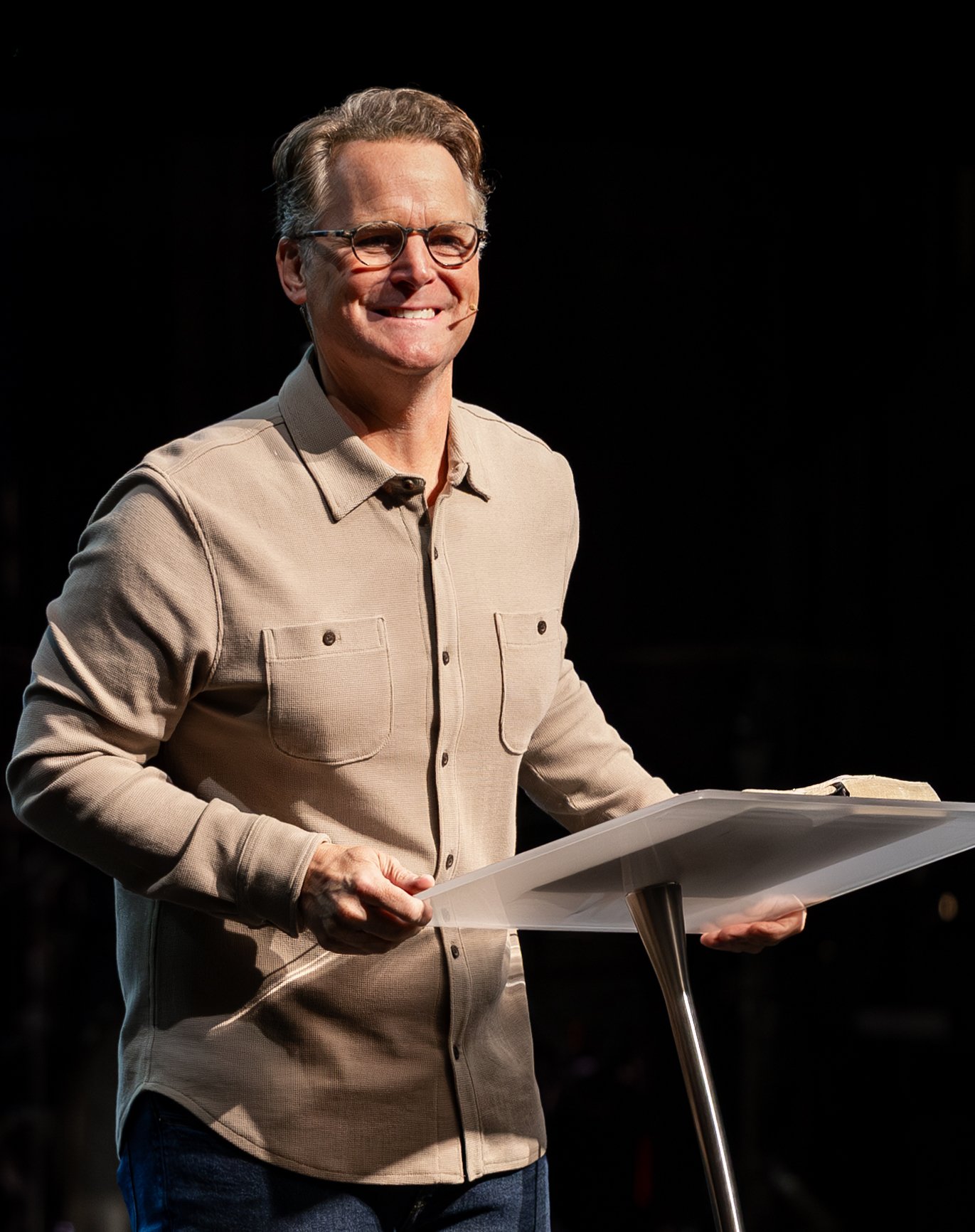
The long story
I didn’t set out to teach preachers. I set out to preach.
I was called to preach at fifteen. Growing up in a pastor’s home, that wasn’t a leap so much as a natural next step. I preached my first sermon as a college freshman, and by sweet providence, there is no record of those early sermons.
For fifteen years I served as senior pastor of two churches, one small and one large church in a state capital. What a joy it was to serve those precious people. The pastorate is a river that swells with joy, and it is also a place you can drown. It’s there you learn the tension of preparing a text while so many other responsibilities call your name.
Between those two pastorates, I had the privilege of teaching preaching and serving in academic administration. I loved the classroom, but what I loved most was the conversation after a student preached, when we sat down together, opened the text, and asked whether the sermon had said what God said.
During my doctoral work, I became convinced that the life of a preacher surrendered to God and a sermon surrendered to the text belong together. I later worked this out in Dying to Preach. Over time the conviction became simple: a sermon should re-present the substance, structure, and spirit of the biblical text. Preaching is not only saying what the text says, but saying it the way the text says it. Every sermon does two things: it explains what God has said, and it calls people to respond. And if the text is truly driving the shape of the sermon, then genre matters. I tried to work that out in Recapturing the Voice of God.
Later, with Robby Gallaty, I gathered years of teaching notes into Preaching for the Rest of Us, a simple primer on moving from text to sermon. It wasn’t planned, but I like the trajectory: a theology of preaching, a short primer on getting from text to sermon, and how it all works out across the genres. Along the way, I also contributed to two expository commentary series, Kregel’s Kerux Commentaries and Christ-Centered Exposition.
Looking back on my own journey and those of my friends, I’ve realized that pastors don’t need another conference or another book. They need someone to walk with them and study with them. Someone who has done the research on the passage, who can hand them the exegetical work they don’t have time to do, and who will sit down with them afterward and talk honestly about how it went. They don’t need someone to write their sermons. They need a mentor.
That’s what I do now. Through Preaching Mentor, I serve pastors on both sides of the sermon: research before they preach, and conversation after. Today I work with several pastors, and I have a deep love for church planters.